The online electrical circuit element simulations on this page let you explore new components in electric circuits. You’ll see how a resistor behaves, which materials allow or block current flow, and how a fuse reacts when something goes wrong in the circuit. Through these experiences, you’ll begin to recognize the role of each component and how it affects circuit behavior.
Keep exploring the possibilities each simulation offers. Change component values, switch between display modes, and test different visual options.
What are circuit elements
Electric circuits can be built using different types of components, each with a specific function. In this Thematic Unit, we’ll focus on three elements we haven’t explored before: the resistor, conductive and insulating materials, and the fuse. All of them affect how the circuit behaves, but in different ways. These simulations will let you observe what happens when these elements are connected and how they influence current flow.
Resistor
A resistor is a component that limits the flow of electric current in a circuit. Unlike a light bulb, it doesn’t produce light, but it does convert electrical energy into heat—even if that heat isn’t always visible. Resistors are used to protect other components, control current intensity, or generate heat in a controlled way. In this simulation, you’ll see how a resistor allows current to flow without lighting anything up. This helps you understand that a circuit can be working even if there’s no visible light.
Conductive and insulating materials
Not all materials allow electric current to pass through them. Some, like metals, are conductors: they let current flow easily. Others, like plastic or rubber, are insulators: they block the flow of current. In this simulation, you’ll test different materials to see which ones close the circuit and light the bulb, and which ones interrupt the flow. This will help you identify the types of materials used to make wires, connectors, or protective coatings.
Fuse
A fuse is a safety component that protects the circuit from excessive current. It’s designed to melt and break the circuit if the current exceeds a certain level, preventing damage to other components. In this simulation, you’ll see what happens during a short circuit and how the fuse interrupts the current. It’s a simple way to introduce the concept of electrical protection and to show that not all circuit failures are visible at first glance.
Explore the exciting STEM world with our free, online, simulations and accompanying companion courses! With them you'll be able to experience and learn hands-on. Take this opportunity to immerse yourself in virtual experiences while advancing your education - awaken your scientific curiosity and discover all that the STEM world has to offer!
Circuit Element simulations
- Resistor
- Insulator
- Fuse
Power source and resistor
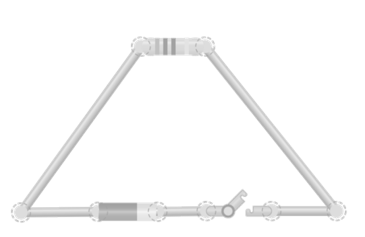
This circuit includes a power source, a resistor, and a switch. When you close the switch, current flows through the resistor, but there’s no visible effect. Unlike a light bulb, the resistor doesn’t emit light, although it does convert energy into heat. This simulation lets you confirm that a circuit can be working even if there’s no visual indicator. You can adjust the battery voltage to see how it affects the current flowing through the resistor.
File
Conductive and insulating materials
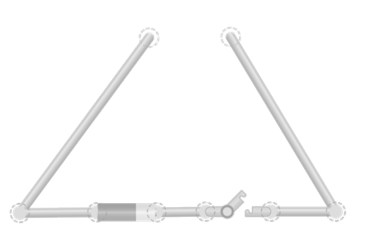
This circuit is incomplete: there’s a gap between two wires that prevents current from flowing. Your task is to test different materials to see which ones close the circuit and light the bulb. Some materials, like metal, allow current to flow easily—they’re conductors. Others, like wood or rubber, block the flow—they’re insulators. This simulation helps you identify which types of materials are used to make different parts of an electric circuit.File
Circuit with fuse
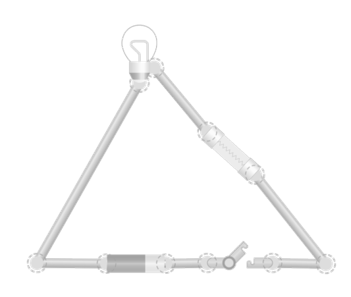
This circuit includes a fuse, a safety component that melts when the current is too high. When you close the switch, current flows and the bulb lights up. If you increase the battery voltage beyond a certain limit, the fuse melts and the circuit breaks. You can change the fuse rating to see how it responds to different current levels. This simulation shows how a fuse protects the circuit from overloads. It’s a simple way to understand that some components are designed to fail on purpose when there’s a problem, preventing more serious damage.
File
Giants of science
“If I have seen further, it is by standing on the shoulders of giants”
Isaac Newton
James Clerk Maxwell
–
Michael Faraday
–
Become a giant
Principles of Modeling, Simulations, and Control for Electric Energy Systems
Principles of Electric Circuits | 电路原理
Electrotechnique I
Electromagnetic Compatibility Essentials