
STEM Events Calendar
In this section, you will find a selection of science, technology, engineering, and mathematics events from around the world. You can explore conferences, seminars, webinars, and educational activities, and filter by your areas of interest. Stay informed about the most relevant news in the STEM field and don’t miss opportunities to learn, connect, and participate in events that spark curiosity and promote knowledge.
Upcoming events
Event
Set sail on a journey through the newly released full elementary OpenSciEd curriculum--where manatees glide, dolphins echolocate, and young learners tackle real-world phenomena with brilliance and curiosity. In this session, we'll dive into an instructional approach that supports all students in making sense of complex science ideas through coherent, phenomenon-driven storylines. Participants will experience a taste of a third-grade unit to figure out why living things live where they do --connecting you to the why and the how of 3-dimensional science teaching. Along the way, we'll explore key features of the curriculum through classroom video and surface how classroom agreements can foster inclusive and collaborative environments. We'll also unpack how purposeful classroom discussion helps students make sense of science, not just memorize it. Come ready to explore, reflect, and imagine what's possible when high-quality materials meet the brilliance of elementary learners.
Time of Event
Start
End
Event
This year, the first quarter moon will set shortly after midnight leaving dark skies for what should be a great show. The Lyrid meteor shower - April's shooting stars - lasts from about April 15 to 29. About 10 to 15 meteors per hour can be expected around the shower's peak, in a dark sky. The Lyrids are known for uncommon surges that can sometimes bring the rate up to 100 per hour. Those rare outbursts aren't easy to predict, but they're one of the reasons the tantalizing Lyrids are worth checking out. The radiant for this shower is near the bright star Vega in the constellation Lyra.
Time of Event
Start
End
To learn and experience

Take your knowledge to the next level with science kits and hands-on tools that connect theory with experimentation

Calculadora científica

Your online assistants
Notion
Organize your notes, tasks, and projects in one place. Notion combines notes, lists, and calendars in one flexible space.
Canva
Design presentations, diagrams, and infographics with easy-to-use templates and professional results


Your Infinite Library
Enjoy the freedom to explore millions of titles and a curated selection of magazines on any device

Join Prime for students and young adults
The best series. Millions of songs. All included with your subscription.
Science made fun
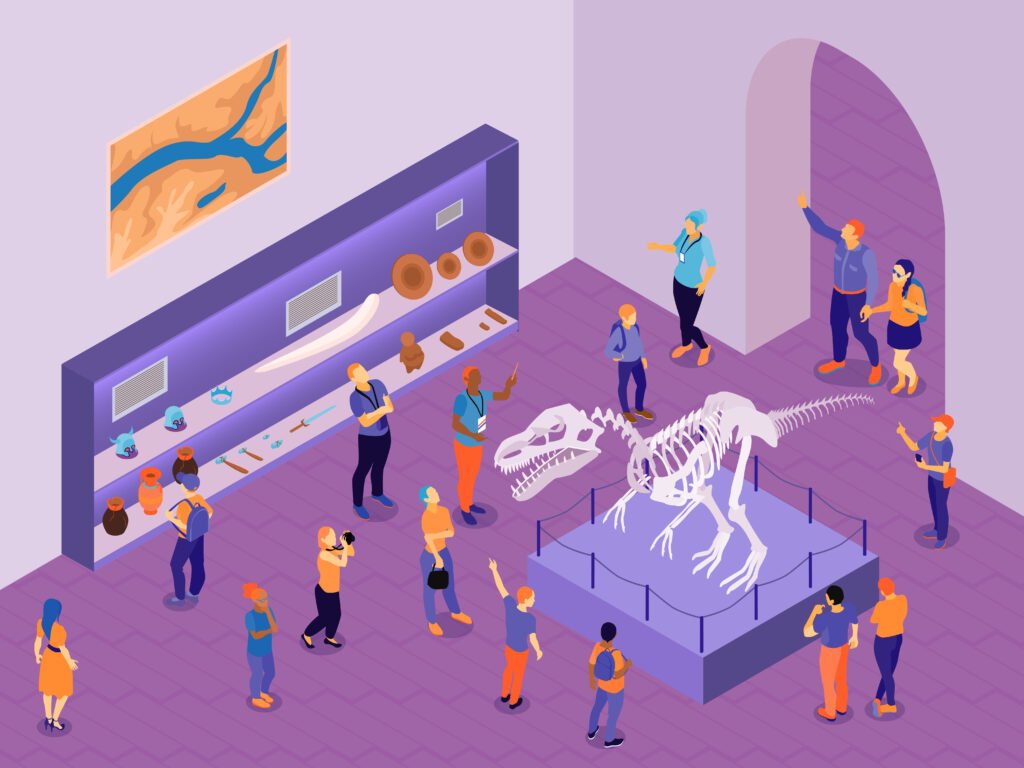


Learn with the best courses

Coursera
Thousands of online courses tailored to your level. Learn at your own pace with expert instructors
Udemy
Thousands of online courses tailored to your level. Learn at your own pace with expert instructors