

Generic selectors
Exact matches only
Search in title
Search in content
Post Type Selectors

Chemical salts II. Properties, formation and applications

09/04/2026

Expand your knowledge about chemical salts, their properties, applications and formation process. The 3d molecules of chemical salts on this page shows what the molecules of Silver Arsenate, Mercuric Bromide, Strontium Phosphate, and Silver Bromide look like

What are chemical salts?

Chemical salts are ionic compounds formed from the combination of a cation with an anion. These compounds have a wide variety of uses in industry, medicine, agriculture and other fields.

Formation of chemical salts

Salts are formed through a chemical reaction between an acid and a base. During this reaction, the acid and base ions exchange charges to form a salt. For example, the combination of hydrochloric acid and sodium hydroxide produces sodium chloride (common salt) and water:

HCl + NaOH → NaCl + H2O.

Properties of chemical salts

Salts can have different properties, such as melting and boiling point, solubility, density and electrical conductivity. These properties depend on the chemical structure of the salt and the forces that exist between the ions in the crystal lattice.

Applications of chemical salts

Salts are used in a wide variety of applications. For example, sodium chloride is used as a seasoning and preservative in the food industry, as a flux in metallurgy and as a raw material in the production of other chemical compounds. Aluminum sulfate is used in water purification as a coagulant and flocculant to remove impurities. Ammonium nitrate is used as a fertilizer in agriculture and as an explosive in mining.

Salts also have applications in medicine. For example, potassium chloride is used to treat hypokalemia (low potassium in the blood) and magnesium sulfate is used as a laxative and in the treatment of eclampsia (complication of pregnancy).

Explore the exciting STEM world with our free, online, simulations and accompanying companion courses! With them you’ll be able to experience and learn hands-on. Take this opportunity to immerse yourself in virtual experiences while advancing your education – awaken your scientific curiosity and discover all that the STEM world has to offer!

3d molecules of chemical salts

Silver Arsenate


Silver Arsenate is an inorganic compound with the formula Ag3AsO4. It has been used in qualitative analysis to distinguish between phosphate and arsenate solutions.


Silver arsenate


Ag3AsO4
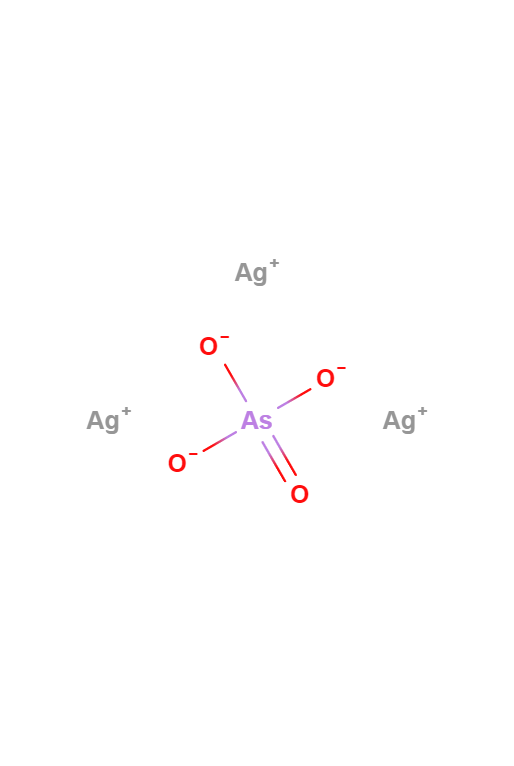
Silver arsenate
SingleBondSingle bond
DoubleBond
Double bond
TripleBondTriple bond
WedgeBond
Wedge bond
HashBond
Hash bond

Mercury (I) Bromide


Mercury (I) Bromide is a chemical compound with the chemical formula Hg2Br2. It changes color from white to yellow when heated and fluoresces salmon-colored when exposed to ultraviolet light. It has applications in acoustic-optical devices.


Mercury(I) Bromide


Hg2Br2
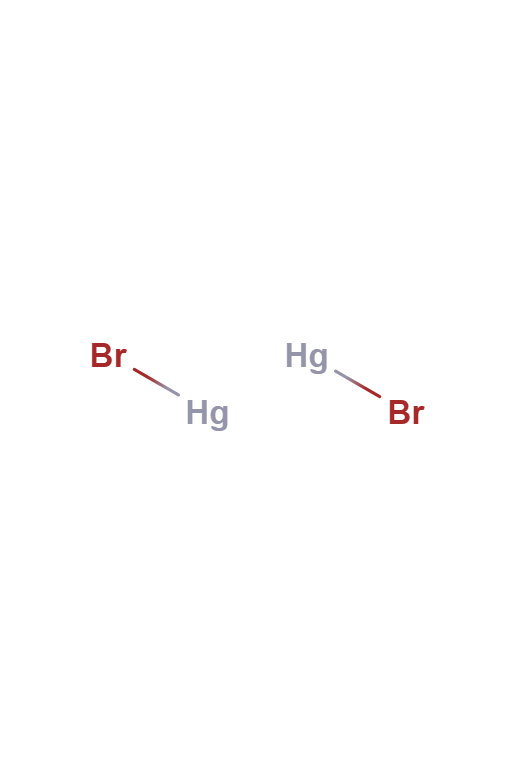
Mercury(I) Bromide
SingleBondSingle bond
DoubleBond
Double bond
TripleBondTriple bond
WedgeBond
Wedge bond
HashBond
Hash bond

Strontium Phosphate


Strontium Phosphate is a chemical compound with formula O8P2Sr3. It is a crystalline substance used in medicine and industry.


Strontium Phosphate


O8P2Sr3
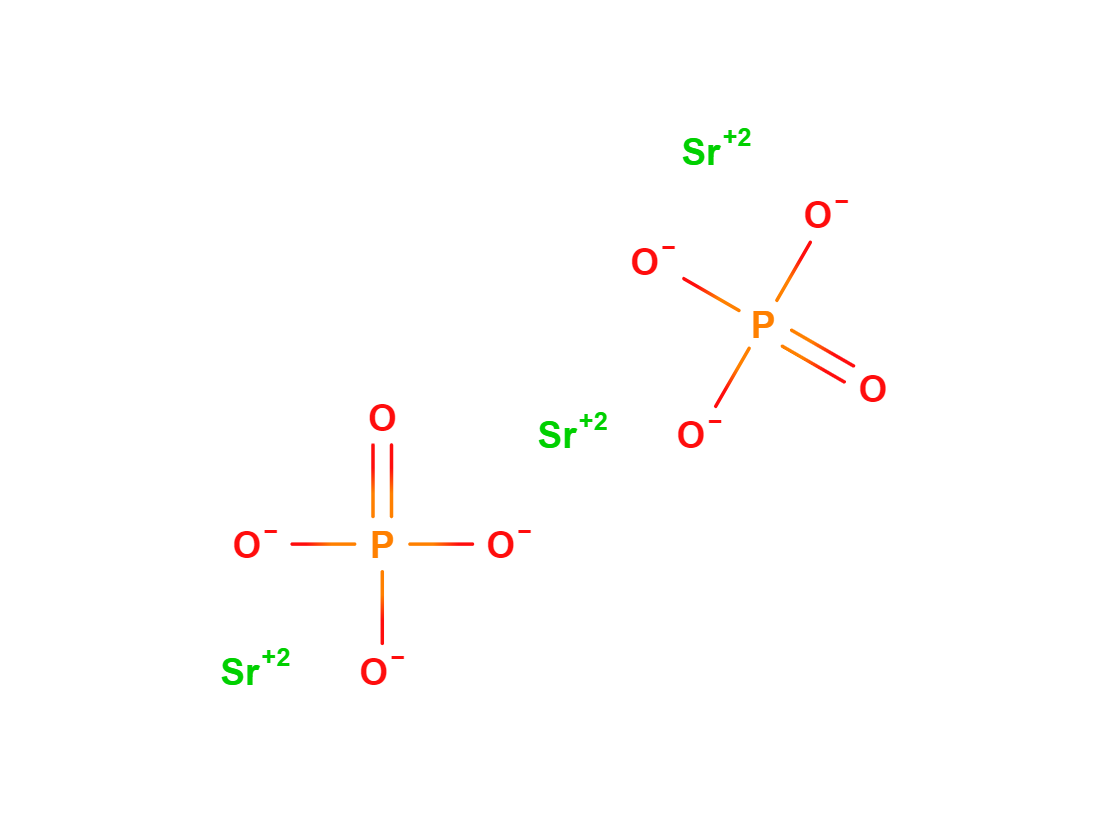
Strontium Phosphate
SingleBondSingle bond
DoubleBond
Double bond
TripleBondTriple bond
WedgeBond
Wedge bond
HashBond
Hash bond

Silver Bromide


Silver Bromide is a chemical compound, whose formula is AgBr, widely used in the field of photography due to its sensitivity to light.


Silver Bromide


AgBr
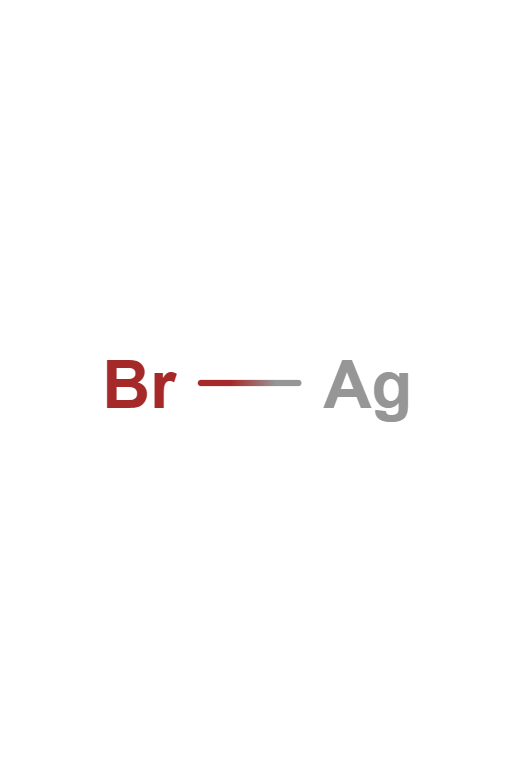
Silver Bromide
SingleBondSingle bond
DoubleBond
Double bond
TripleBondTriple bond
WedgeBond
Wedge bond
HashBond
Hash bond

“If I have seen further, it is by standing on the shoulders of giants”

Isaac Newton

Your path to becoming a giant of knowledge begins with these top free courses

Test your knowledge

Salts have characteristic properties such as high melting and boiling points, variable solubility in water, hardness, and the ability to conduct electricity in solution or when molten. These properties depend on the strength of attraction between the ions in the crystal lattice. For example, silver bromide (AgBr) has low solubility because its ions are strongly bonded, while sodium chloride (NaCl) dissolves easily and conducts electricity in solution. Knowing these properties allows us to anticipate how each salt will behave in different applications.
The ions determine both the solubility and the potential uses of a salt. For example, ammonium nitrate is highly soluble and useful as a fertilizer because the ammonium and nitrate ions are nutrients that plants can absorb easily. On the other hand, silver arsenate (Ag₃AsO₄) is insoluble and mainly used in laboratories due to its reactivity, not in agriculture. Thus, the type of ion affects both the interaction with water and the practical function of the salt.
It makes sense that only certain salts have medical applications. Magnesium sulfate, for example, dissolves easily, and its ions have therapeutic effects, such as relaxing muscles or correcting magnesium deficiencies in the body. This shows that the chemical properties and solubility of a salt determine its specific uses in healthcare, and not all salts are suitable for this type of application.
Potassium chloride is an example of how a single salt can have multiple applications. It is stable, relatively safe, and soluble, which makes it useful in fertilizers to supply potassium to plants. At the same time, it is used in industrial processes where a controlled source of potassium ions is required. This demonstrates that a combination of physical and chemical properties defines the scope of use for each salt.
Yes, because these salts have special properties or associated risks that make them unsuitable for general applications. For example, mercurous bromide (Hg₂Br₂) is toxic and reactive, while strontium phosphate has very specific uses in experiments or research. Their structure and chemical composition determine their application, showing that not all salts are interchangeable or suitable for every purpose.

You may also be interested

Cargando clima y ubicación...

You may also be interested