Gallery of Science Giants
Marie Curie
1867
–
1934
Marie Curie discovered the elements polonium and radium, introduced the concept of radioactivity, and pioneered nuclear chemistry, demonstrating that atoms were not indivisible
“In life, there is nothing to be afraid of, only to understand”
Max Karl Ernst Ludwig Planck
1858
–
1947
Max Planck founded quantum theory by introducing the quantum of action, revolutionizing physics and laying the foundations for the development of quantum mechanics
“Science advances one funeral at a time”
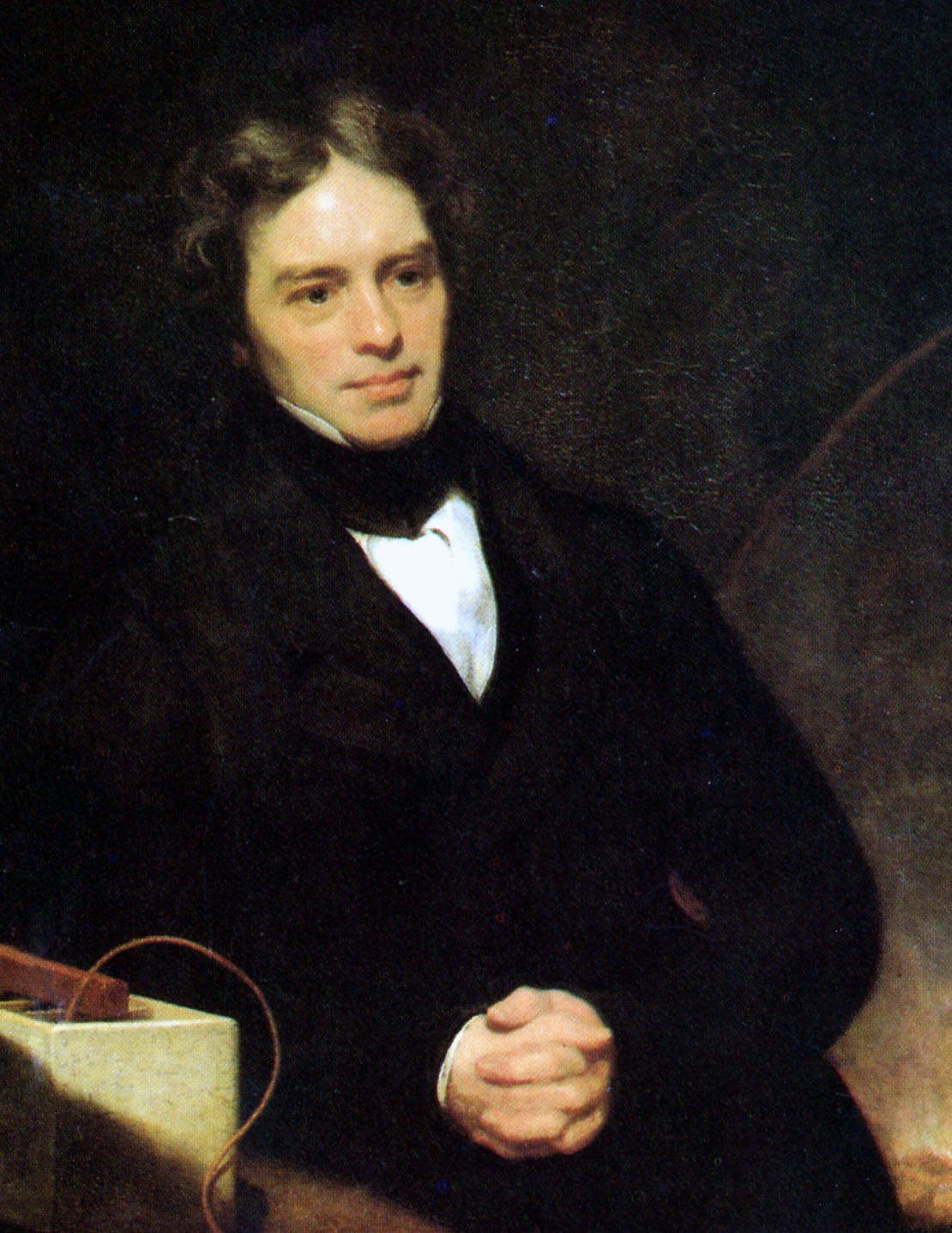
Michael Faraday
1791
–
1867
Michael Faraday discovered electromagnetic induction, conducted pioneering experiments in optics (Faraday effect), and established fundamental principles of electrochemistry.
“Nothing is too wonderful to be true”
Nicolaus Copernicus
1473
–
1543
Nicolaus Copernicus revolutionized astronomy by placing the Sun at the center of the planetary system; he provided precise mathematical observations.
“The Sun, not the Earth, is the center of our planetary system”
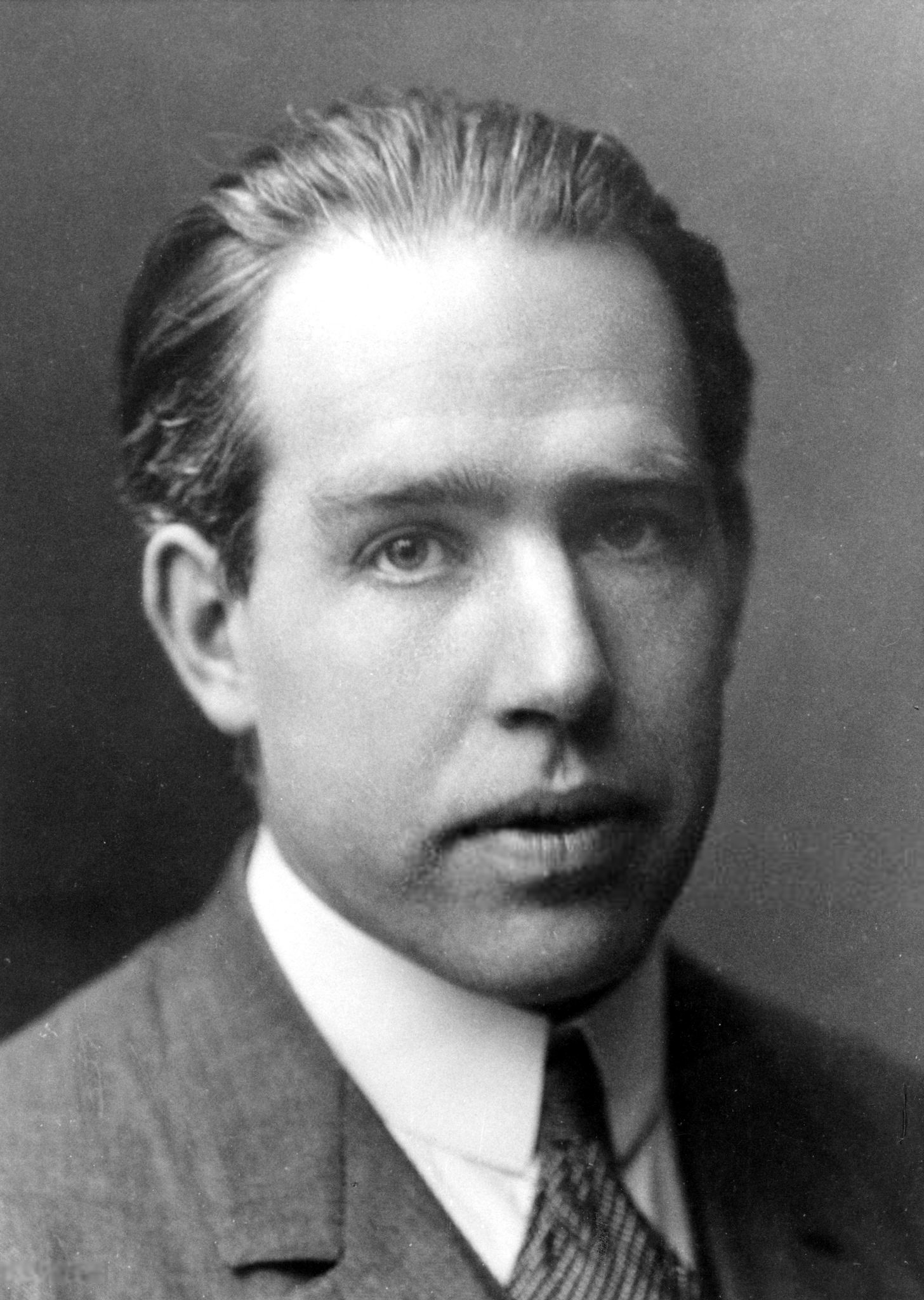
Niels Henrik David Bohr
1885
–
1962
Niels Bohr developed the Bohr atomic model, explaining energy levels in atoms and laying the foundation for quantum mechanics
“An expert is a person who has made all the mistakes that can be made in a very narrow field”
Paul Dirac
1902
–
1984
Paul Dirac formulated the Dirac equation, unifying quantum mechanics and special relativity, and theoretically predicted the existence of antimatter
“In physics, beauty is more important than truth”
Peter Higgs
1930
–
2024
Peter Higgs proposed the Higgs mechanism, key to explaining how particles acquire mass, culminating in the experimental discovery of the Higgs boson in 2012
“The discovery of the Higgs boson is not mine, it belongs to the entire scientific community.”
Pierre-Simon Laplace
1749
–
1827
Pierre-Simon Laplace developed probability theory and mathematical statistics, and made fundamental contributions to astronomy and celestial mechanics.
“Probability theory is the science of analyzing chance”
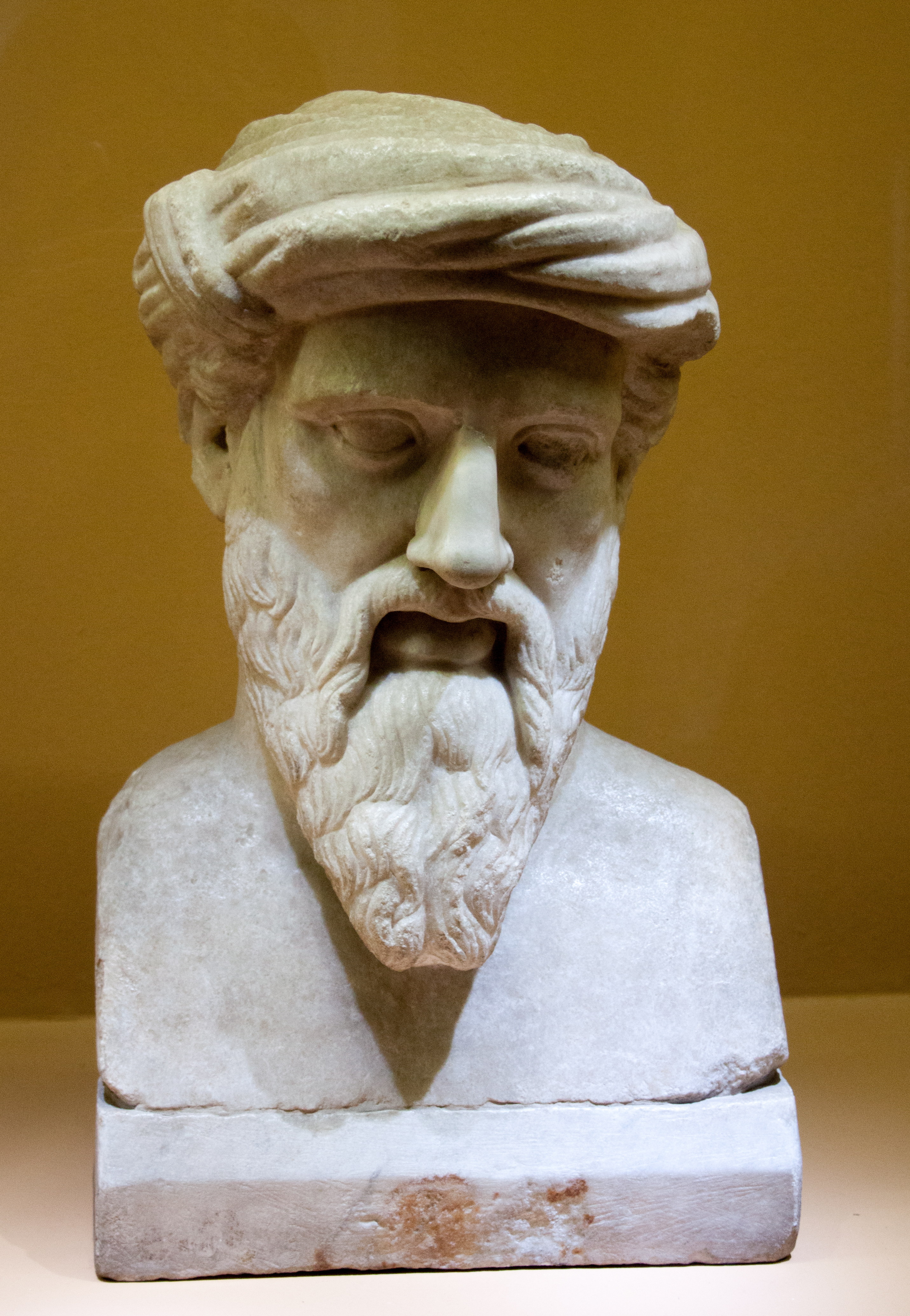
Pythagoras
570 a.C.
–
495 a.C.
Pythagoras established the famous theorem on right triangles and founded a school linking mathematics, music, and astronomy as fundamental principles of the universe
“All is number”
Rachel Louise Carson
1907
–
1964
Rachel Carson raised awareness of pesticides’ environmental impact, inspiring modern environmental consciousness and the ecological movement
“In nature, there are no rewards without responsibility”
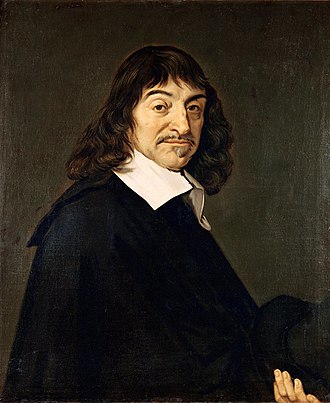
René Descartes
1596
–
1650
René Descartes developed analytic geometry and contributed to classical mechanics and the study of optics
“Pienso, luego existo”
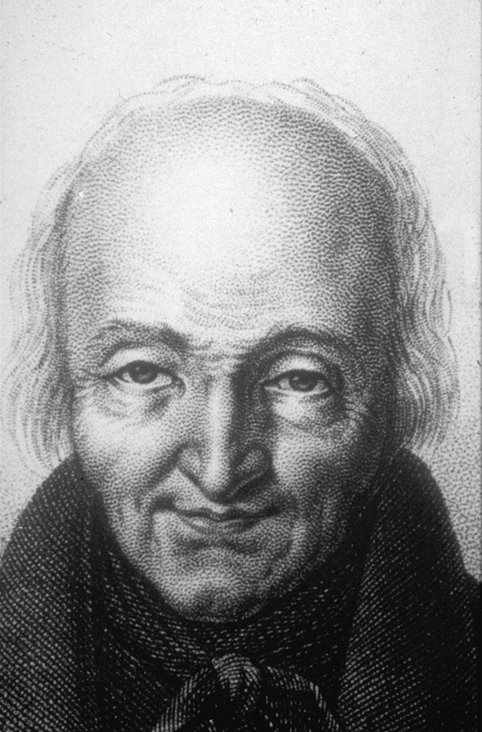
René Just Haüy
1743
–
1822
René Just Haüy established the foundations of modern crystallography, showing that crystals have regular forms derived from an ordered internal structure. He founded crystallographic mineralogy
“Crystals reveal to us the secret geometry of nature”
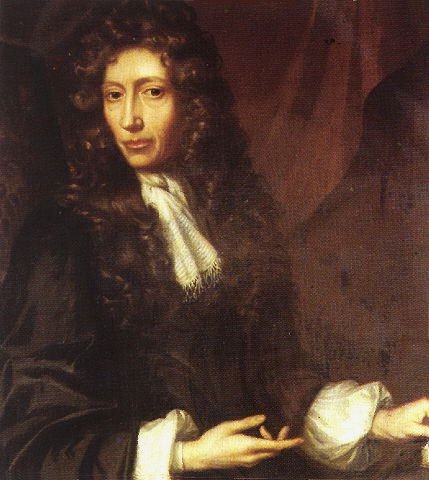
Robert Boyle
1627
–
1691
Robert Boyle formulated the first quantitative law of gases, showing the relationship between pressure and volume, laying foundations of modern chemistry and fluid mechanics
“Air is as necessary to life as food”
Robert Wilhelm Bunsen
1811
–
1899
Robert Bunsen desarrolló el análisis espectroscópico y mejoró técnicas de laboratorio, sentando bases de la química analítica moderna
“El laboratorio es el corazón de la química”
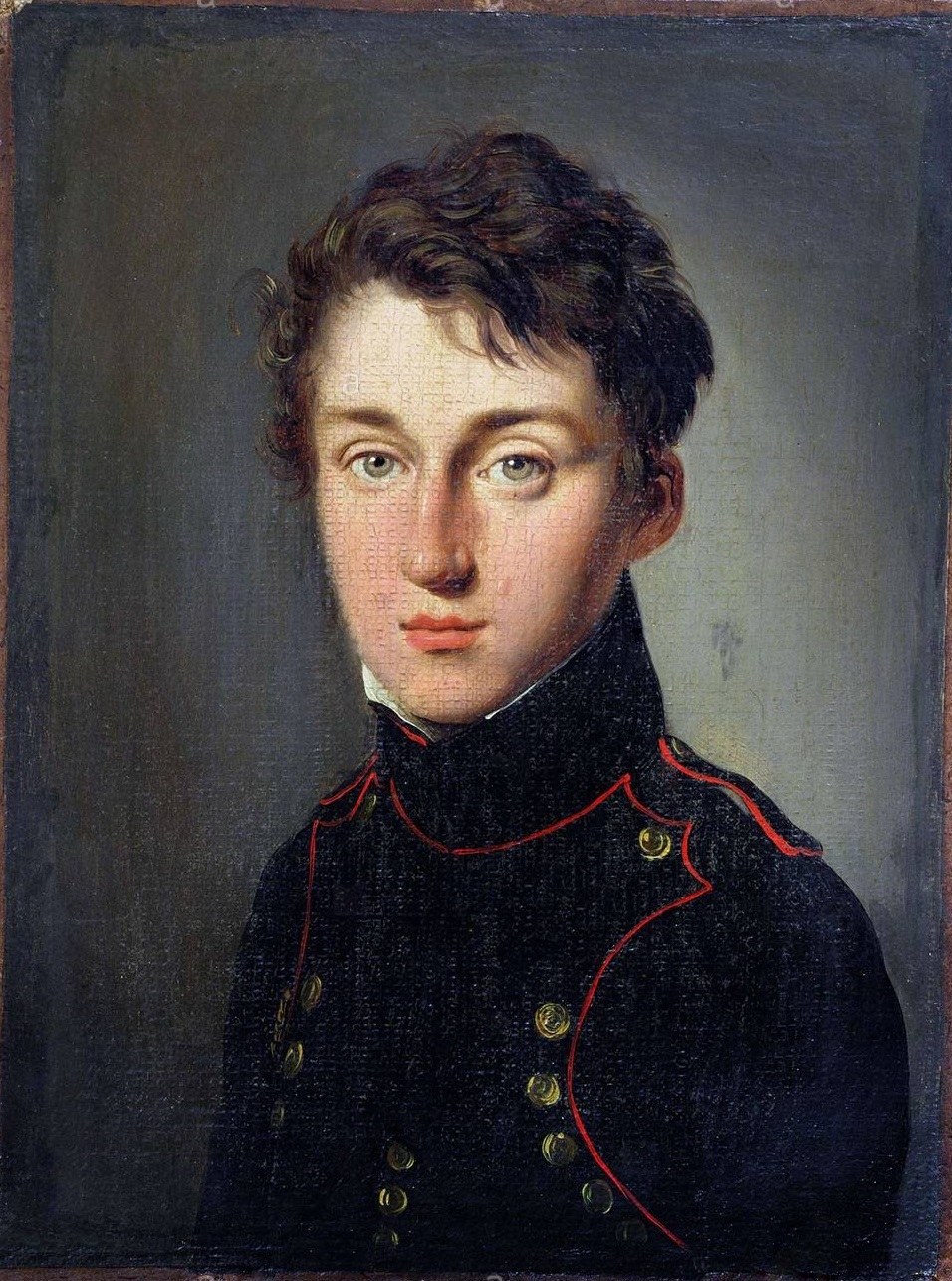
Sadi Carnot
1796
–
1832
Sadi Carnot fundó la termodinámica teórica, estableciendo los principios de eficiencia de los motores y la segunda ley de la termodinámica
“La energía no se pierde, solo se transforma”
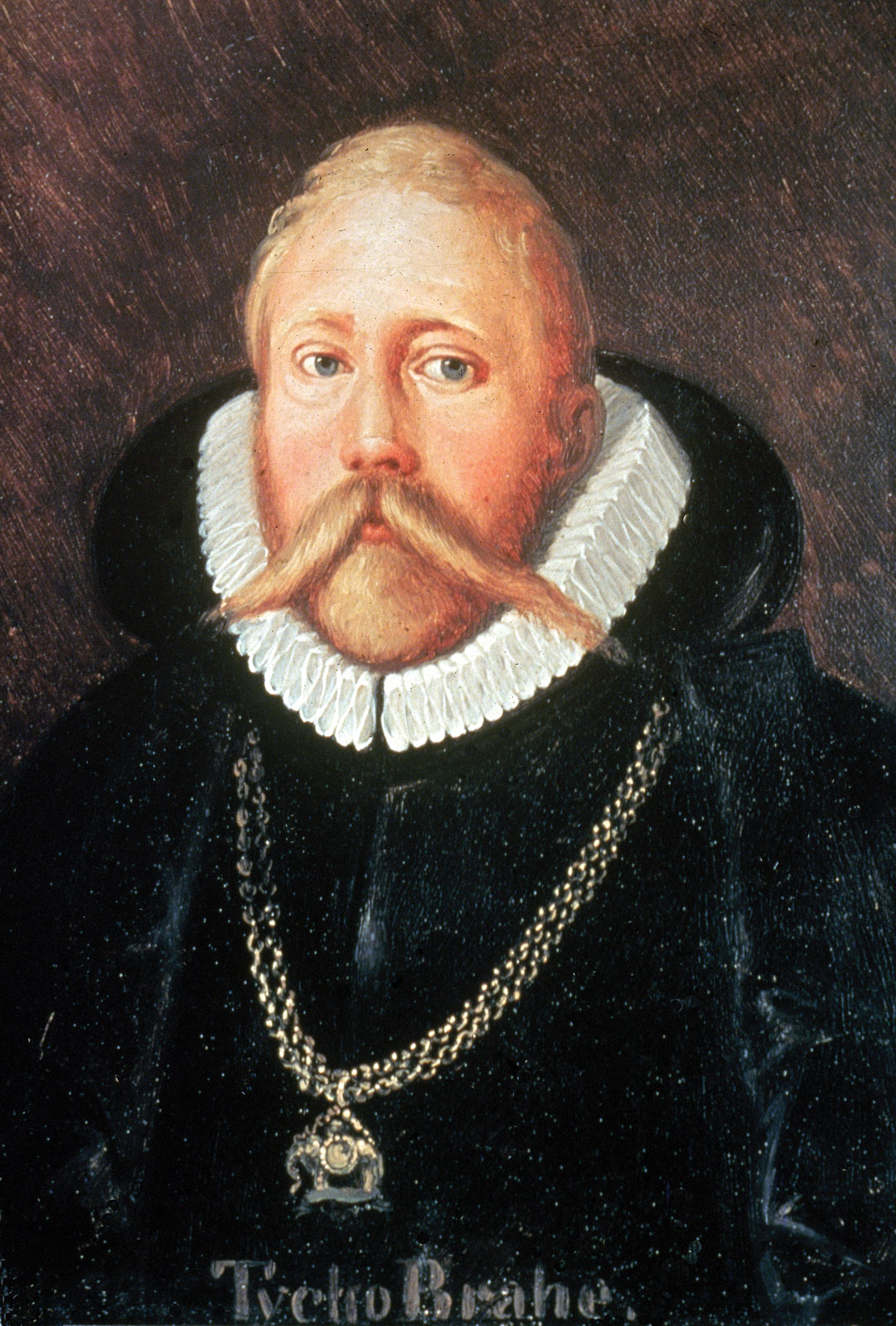
Tycho Brahe
1546
–
1601
Tycho Brahe carried out highly precise astronomical observations before the telescope, developing a hybrid model between geocentrism and heliocentrism. His work was essential for Kepler
“The stars may shape destiny, but man observes their course”
Vilhelm Friman Koren Bjerknes
1862
–
1951
Vilhelm Bjerknes established principles of modern weather forecasting and applied physics and mathematics to the climate
“To understand the climate is to understand our world”
Werner Karl Heisenberg
1901
–
1976
Werner Heisenberg developed matrix mechanics, the first consistent version of quantum mechanics, and stated the uncertainty principle, which reshaped our understanding of nature
“What we observe is not nature itself, but nature exposed to our method of questioning”
William Henry
1774
–
1836
William Henry formulated Henry’s Law, describing how the amount of gas dissolved in a liquid is proportional to its partial pressure
“Chemistry reveals the hidden secrets in the invisible”
William Rowan Hamilton
1805
–
1865
William Rowan Hamilton developed Hamiltonian mechanics and quaternions, unifying geometry and mathematical physics
“Mathematics and physics meet in the harmony of the equations governing motion.”
Wolfgang Pauli
1900
–
1958
Wolfgang Pauli stated the Pauli exclusion principle, essential to explain the electronic structure of atoms and the behavior of matter
“God made the world so subtle that we describe it with mathematics, but not so subtle that we cannot understand it”